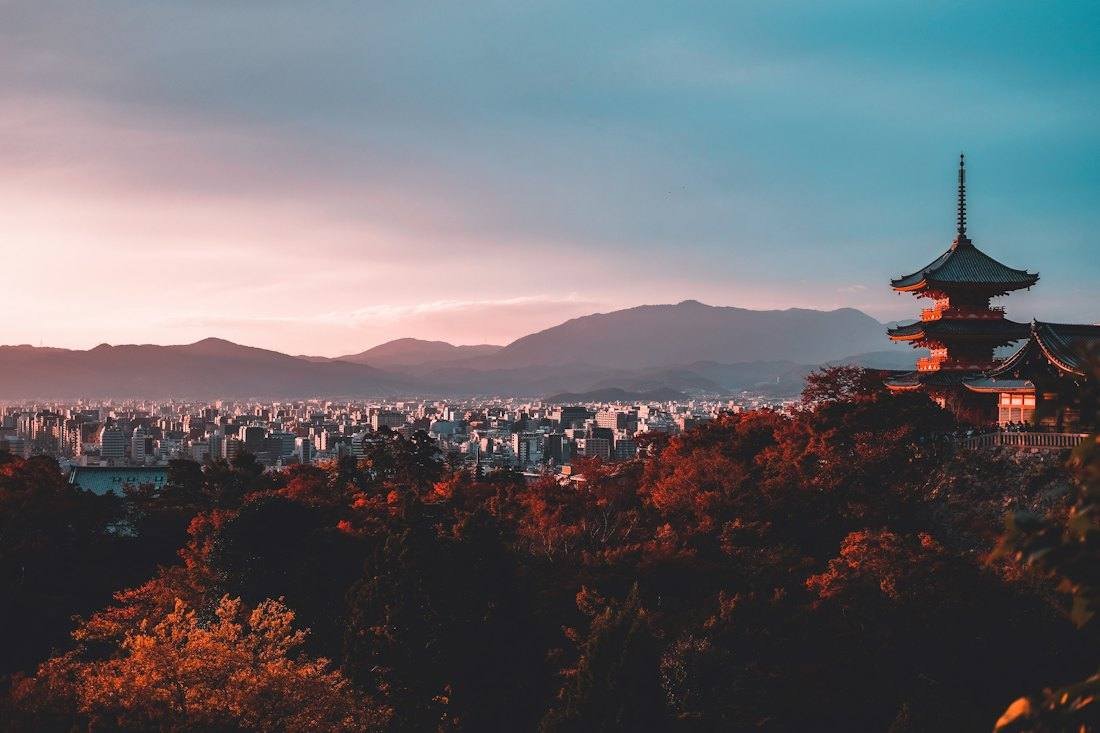

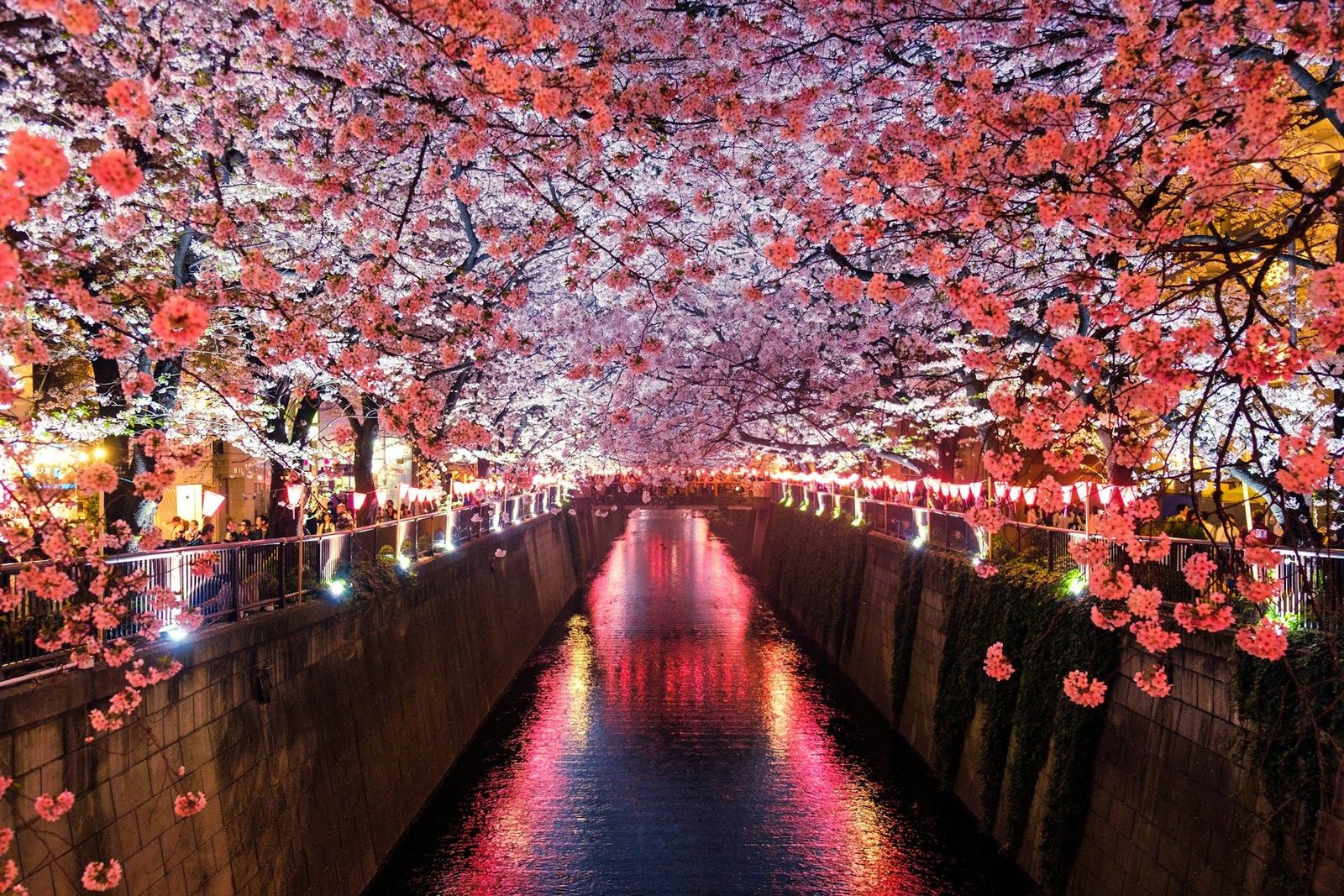
- Best overall: late March to early April (cherry blossoms) and mid-October to late November (autumn colours, clear skies).
- Best value: January to early March, and early June, when crowds and prices dip.
- Plan around: Golden Week (around 29 April – 5 May), the June–July rainy season and peak typhoon months (August–September).
Japan is a year-round destination, but it changes dramatically with the seasons. The same temple in Kyoto can be framed by pink blossoms, deep green maples, flaming red leaves or a dusting of snow, depending on when you go. The right month for you depends on what you want to see, how you feel about crowds, and when you can take time off.
March – MaySpring: the blossom season
This is Japan’s most famous season, and its busiest. Cherry blossoms usually reach full bloom in Tokyo and Kyoto from late March to early April, moving north to Hokkaido by early May. Each tree only stays in full bloom for about a week, so exact dates vary year to year. We track the official forecasts for you.
Days are mild, around 12–20°C, which makes spring perfect for long walks through gardens and old neighbourhoods. The trade-off is demand: hotels fill early and prices rise, so book three to six months ahead for blossom season.
June – AugustSummer: festivals and fireworks
Early summer brings the rainy season, typically from early June to mid-July on the main island, with grey, humid days rather than constant downpours. After that, July and August are hot and sticky, often above 30°C in the cities.
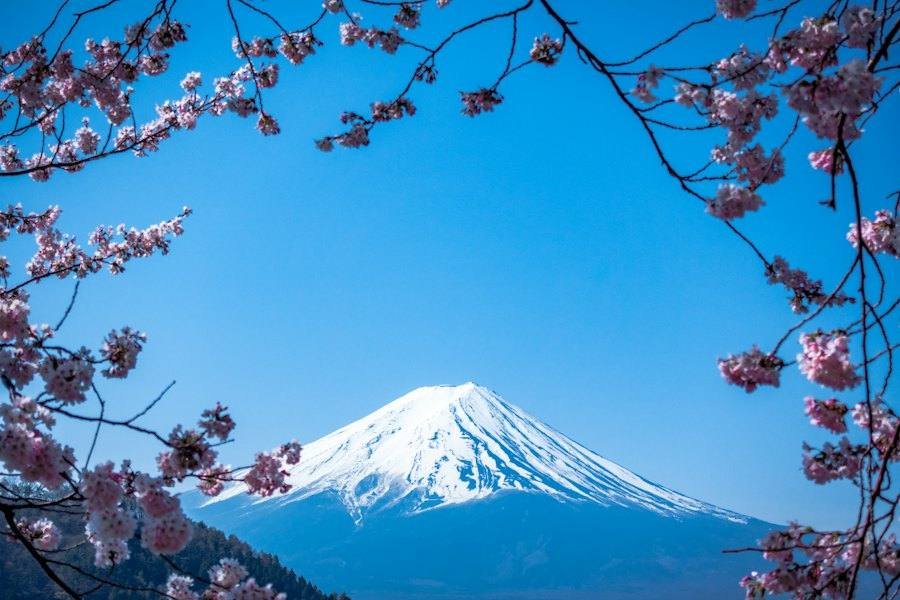
So why go? Summer is the season of matsuri (festivals) and spectacular fireworks displays, and it’s the official climbing season for Mt Fuji, from early July to early September. It also lines up with Indian school holidays, which makes it practical for families. Plan indoor afternoons, start early, and you’ll love it.
“If you can travel in only one season, make it autumn. The weather is settled, the skies are clear, and Kyoto turns red and gold.”
September – NovemberAutumn: our favourite season
September is still warm and can bring typhoons, so keep plans flexible early in the season. From mid-October the weather turns dry, sunny and comfortable, and views of Mt Fuji are at their clearest.
The autumn leaves (koyo) start in Hokkaido in October and reach Tokyo and Kyoto from mid-November into early December. Temple gardens glow red, orange and gold, and evening light-ups make them magical after dark. It’s as beautiful as blossom season and a little less hectic.
December – FebruaryWinter: snow, lights and hot springs
Tokyo and Kyoto are cold but dry in winter, with crisp blue skies and daytime temperatures around 5–10°C. The north is a different story: Hokkaido gets serious snow, and the Sapporo Snow Festival in early February fills the city with giant ice sculptures.
Winter is also the season for illuminations, with cities lit up from late November, and for soaking in an outdoor hot spring (onsen) while snow falls around you. Outside the New Year holidays, it’s one of the quietest and best-value times to visit.
At a glanceJapan month by month
| Month | Weather | Crowds | Highlights |
|---|---|---|---|
| January | Cold, dry, sunny | Low | Clear Fuji views, winter sales, skiing |
| February | Cold; snow in the north | Low | Sapporo Snow Festival, plum blossoms |
| March | Mild, warming | Rising | First cherry blossoms late in the month |
| April | Mild, pleasant | Very high | Peak blossoms early; Golden Week at month end |
| May | Warm, fresh | Medium | Green gardens; quieter after Golden Week |
| June | Humid, rainy | Low | Hydrangeas, lower prices |
| July | Hot, humid | Medium | Festivals, Mt Fuji climbing season opens |
| August | Hot; typhoon risk | High | Fireworks, Obon festivals |
| September | Warm; typhoon risk | Medium | Fewer crowds, late-summer festivals |
| October | Dry, comfortable | Medium | Clear skies, autumn colour in the north |
| November | Crisp, sunny | High | Peak autumn leaves in Tokyo and Kyoto |
| December | Cold, dry | Medium | Illuminations; quiet before New Year |
Plan around theseDates to avoid (or book early)
- Golden Week (around 29 April – 5 May): a string of national holidays when much of Japan travels. Trains and hotels sell out, and prices jump.
- Obon (mid-August): another peak domestic travel week.
- New Year (around 29 December – 3 January): many restaurants, shops and some attractions close.
None of these are reasons to stay away, but they are reasons to book well ahead, or to let us plan around them.
Your questionsFAQs
When is the cheapest time to visit Japan?
Usually January to early March (outside New Year) and June, during the rainy season. Flights from India and hotels are often cheaper then.
How many days do I need for a first trip?
Seven to ten nights covers Tokyo, Kyoto, Osaka and a night near Mt Fuji at a comfortable pace.
Can I see cherry blossoms in May?
In Tokyo and Kyoto they’ll be over, but you can still catch late blossoms in Hokkaido in early May.
Weather and blossom dates vary every year. When you book with us, we check the latest forecasts and plan your days around them. Plan your Japan trip →